Reference
Rose Classes
Understanding rose classifications helps with choosing, growing, and appreciating varieties in the garden.
Overview
Three broad categories
All roses fall into one of three umbrella categories, each containing many specific classes.
Wild Roses
Species roses that occur naturally in the wild. They typically bloom once per season, bear five petals, and produce colourful hips in autumn. Most are extremely tough and need little care.
Old Garden Roses
Classes that existed before 1867 — including Gallicas, Damasks, Albas, Bourbons, and Hybrid Perpetuals. Known for rich fragrance and full quartered blooms. Many bloom only once in spring.
Modern Garden Roses
Classes developed after 1867, including Hybrid Teas, Floribundas, Grandifloras, and Shrubs. Most are repeat bloomers and represent the majority of roses in this garden.
Classes
Roses in this garden by class
Shrub & David Austin English Roses
Shrub roses tend to sprawl wide and large with an open, arching habit. David Austin's English Roses combine the full, fragrant blooms of Old Garden Roses with the repeat flowering of modern varieties. This section also includes Hybrid Musk and Hybrid Rugosa subcategories.
- Abraham Darby — David Austin English Rose
- Ballerina — Hybrid Musk
- Elizabeth — David Austin English Rose
- Evelyn — David Austin English Rose
- Gertude Jekyll — David Austin English Rose
- Graham Thomas — David Austin English Rose
- F.J. Grootendorst — Hybrid Rugosa
- Heritage — David Austin English Rose
- L.D. Braithwaite — David Austin English Rose
- Mary Rose — David Austin English Rose
- Othello — David Austin English Rose
Hybrid Teas & Grandifloras
Both classes have a tall, upright habit with large blooms on long stems — ideal for cutting. Hybrid Teas bear one bloom per stem. Grandifloras (a US-only AARS classification, not recognized by international rose bodies) grow taller and bloom in small clusters. Marked Gr below.
- Brigadoon
- Cherry Parfait Gr
- Chicago Peace
- Dancing in the Dark
- Dee-Lish
- Double Delight
- Fragrant Cloud
- Frederic Mistral
- French Perfume
- Honor
- Love Gr
- Michaelangelo
- Mister Lincoln
- Morning Glow
- Olympiad
- Peace
- Pink Flamingo
- Princess de Monaco
- Sheer Bliss
- Silver Star
- Sunset Celebration
- Tournament of Roses Gr
Floribundas & Polyanthas
Floribundas offer a bouquet on every branch — clusters of blooms with continuous colour all season. A cross between Polyanthas and Hybrid Teas, they combine hardiness and free flowering. Polyanthas are the forerunners of Floribundas, bearing large clusters of smaller flowers; The Fairy is a true Polyantha.
- Distant Drums
- Fairy — Polyantha
- French Lace
- Hot Cocoa
- Impatient
- Koko Loko
- LivinEasy
- Sexy Rexy
Climbers & Ramblers
Climbing roses are not a separate class — they describe a growth form. A climbing rose may be a Hybrid Tea, Floribunda, or Polyantha that has developed long, arching canes. Ramblers are generally once-blooming with more flexible canes and smaller flowers in large clusters.
- Cecile Brunner — Climbing Polyantha
- Golden Showers
- Joseph's Coat
- Social Climber
Mystery Roses
These pages are kept as garden placeholders, but their exact class has not been identified yet, so they are tracked separately from the named rose classes above.
- Mystery Rose (Red) — class not yet identified
Standouts
Notable for fragrance
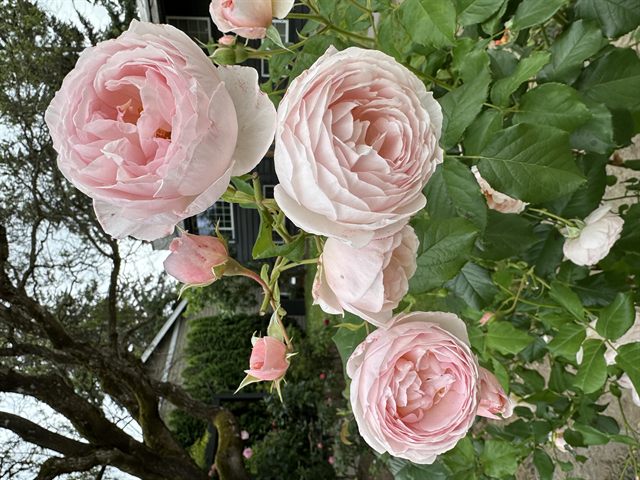
Heritage
Petal-filled soft-pink blooms with a sweet lemon fragrance.
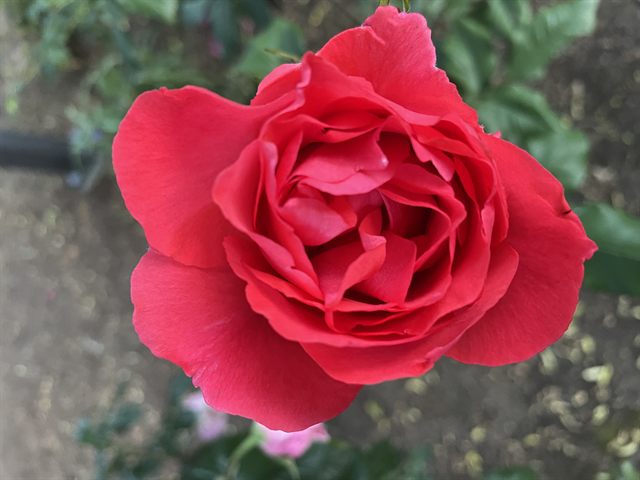
Fragrant Cloud
Citrus, spice, fruit and rosy damask — often compared to the scent of pumpkin pie.
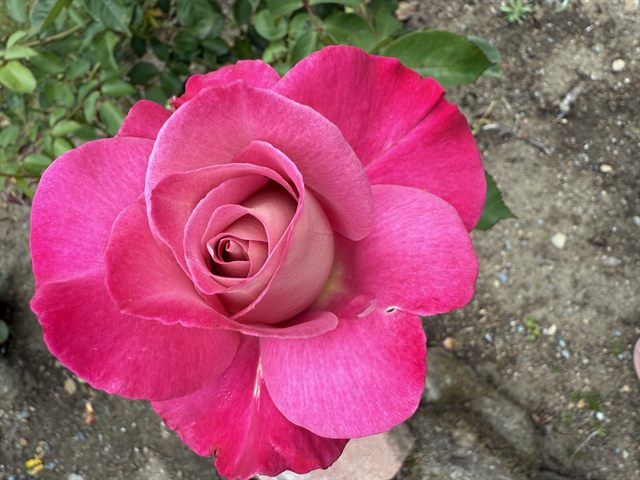
Double Delight
Exceptionally fragrant — James Alexander Gamble Fragrance Medal winner 1986.
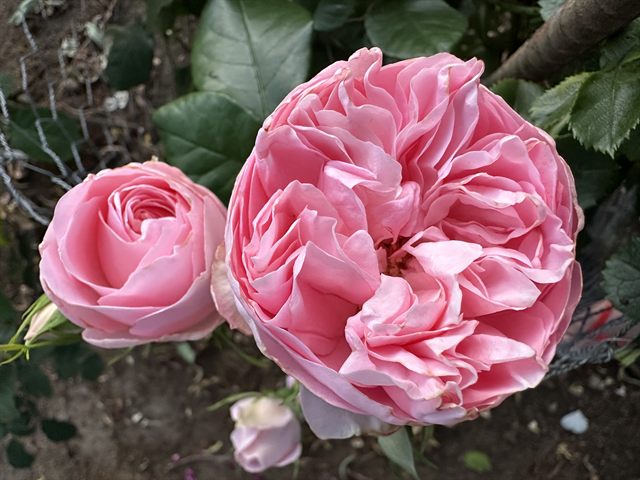
Gertude Jekyll
Rich, antique rose fragrance paired with deep pink quartered blooms.
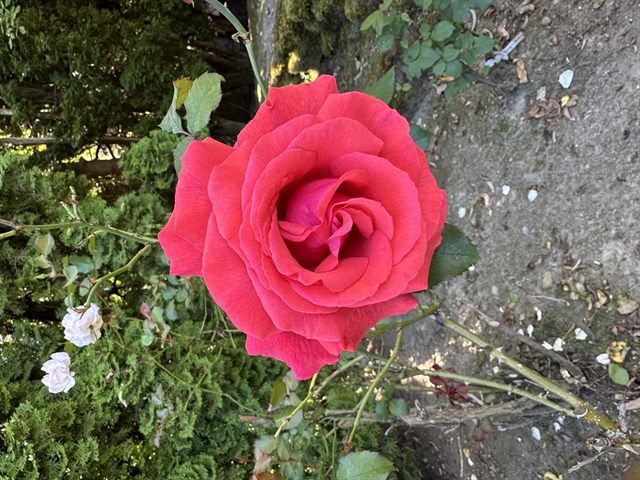
Mister Lincoln
Rich, velvety-red petals packed with classic strong rose fragrance.